
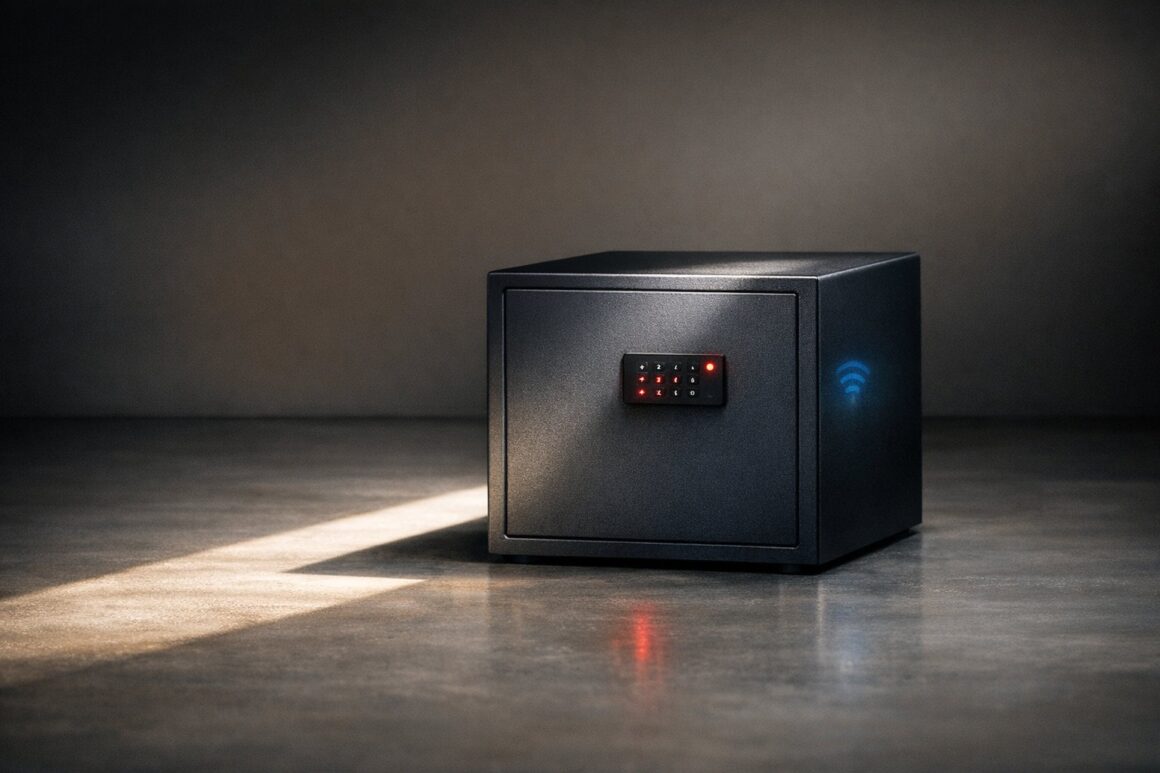
Connected security devices bridge the gap between digital networks and the physical world, introducing new classes of vulnerabilities. As organisations and individuals rely on these systems for access and protection, the consequences of cyber-physical attacks can be significant. Understanding the evolving threat landscape is critical to ensuring both digital safety and physical security.
Security technology today involves a convergence of IT and physical systems, making threats to connected security devices more complex and impactful than before. When a digital compromise leads to real-world consequences, attackers may gain opportunities to exert control or bypass safeguards. For organisations deploying smart protection or managing infrastructure, it is essential to understand how device architecture and integration create points of exposure. Safes serve as an example where the integration between digital and physical systems has highlighted broader risks associated with connected security technology.
How digital systems impact physical security devices
The intersection of cyber and physical systems has changed how security challenges are addressed. In these environments, a breach in a digital component—such as a network, mobile application, or cloud platform—can allow attackers to affect the operation of physical assets. This cyber-physical dimension means a compromise of credentials or an exploited vulnerability can do more than disrupt software; it can result in opening doors, altering logs, or interfering with core security measures. As reliance on Internet of Things (IoT) devices increases, traditional hardware like locks and sensors are often managed remotely, thereby expanding potential attack surfaces.
Features that enable remote management and the rapid adoption of IoT have accelerated the convergence of digital and physical security. Devices often integrate multiple technologies, such as wireless communication, cloud connectivity, and automated routines, which provide operational convenience but introduce new security challenges. Attackers may target not only data but also direct control over device behaviour. As a result, risks can involve both the theft of information and the compromise of physical defences.
Common device architecture and security implications
Connected security devices are typically built around core technologies including mobile interfaces, Bluetooth or Wi-Fi modules, cloud APIs, embedded firmware, and central administration portals. Each of these adds convenience, but also introduces technical dependencies that may be exploited. For example, pairing protocols and wireless communication channels can be susceptible to spoofing if not properly protected. Firmware that remains unsigned or unencrypted increases the risk of malicious updates being introduced without detection.
Within these device ecosystems, identity and access management dictate who maintains control of security devices. Weak authentication procedures or poor password management can raise the risk of credential theft, allowing attackers to escalate privileges or move through interconnected systems. Integration with third-party platforms—such as smart-home hubs or enterprise resource managers—may further increase the attack surface, especially where cross-system access controls are insufficient. Local network threats also require attention, as compromises in other IoT nodes can provide entry points to security-critical devices.
Recognising attack vectors and sensitive data risks
Attackers frequently exploit weaknesses in authentication, communication, and update procedures to gain access. Credential theft and account takeover are prevalent risks, particularly with companion apps or cloud portals that lack strong phishing defences. Insecure pairing protocols make devices vulnerable to proximity-based threats, such as relay attacks that duplicate legitimate user signals or Bluetooth spoofing attempts that trick devices into accepting unauthorised connections. Supply-chain incidents and firmware vulnerabilities—from unsigned code to compromised security keys—can increase exposure to sophisticated attack methods.
In addition to the threat of unauthorised manipulation or unlocking, privacy can also be undermined by cyber-physical threats. Telemetry and event logs generated by connected security devices may reveal sensitive details about occupancy, access patterns, or daily routines. Notifications, analytics, and third-party integrations can sometimes expose metadata without user knowledge, and safes may be among the assets at risk where data privacy concerns extend beyond physical access. These data points can help attackers build behavioural profiles or gather intelligence for targeted campaigns within an environment.
Building resilience in connected security environments
Design and configuration decisions are fundamental in determining the resilience of connected security devices against cyber-physical threats. Use of default credentials, lack of rate limiting, and insufficient audit logging remain common oversights. Risks can also arise when devices are integrated into broader systems without maintaining robust security boundaries, enabling weaknesses in one area to compromise the entire environment. Applying effective network segmentation and least-privilege access policies can help contain intrusions, while regular permission reviews and secure configuration practices reduce the scope for lateral movement.
Reducing risk requires a systematic approach across authentication management, update procedures, and incident preparedness. Multi-factor authentication, unique credentials, and anti-phishing strategies serve to lower exposure for critical accounts. Delays in applying security updates can continue to offer a path for exploitation, so update discipline and vendor transparency are important for operational security. As standardisation and regulatory requirements progress, monitoring certification frameworks and secure-by-design criteria helps ensure that convenience features do not weaken the fundamental safety offered by connected security devices.