

Security requires a proactive mindset to keep data safe from intruders. Many businesses rely on old methods that only check for problems once a year. The delay gives criminals plenty of time to find a way inside the system.
Modern protection demands a shift toward watching systems every single minute. The strategy builds a much stronger wall around sensitive company assets. It provides a level of safety that static tools simply cannot match.
Understanding The Need for Real-Time Visibility
Hackers do not take breaks when the office lights go out at night. They scan networks for weak points at all hours of the day. Persistence requires a response that never sleeps or looks away from the data.
Real-time visibility allows a team to catch scans as they happen. If an unknown user tries to log in, the system alerts the staff immediately. A fast alert helps stop a thief before they reach the main data vault.
Seeing activity as it occurs prevents small errors from growing into big problems. Speed is a key factor when a system faces a potential breach. Fast reactions save money and protect the trust of every customer.
Shifting From Reactive To Proactive Defense
Proactive defense centers on finding weak spots before a criminal can find them. This approach changes how teams handle cyber threats in a modern office. It turns a defensive posture into one that stays ahead of the game.
Many older methods involve fixing things only after a system crashes or data disappears. Continuous monitoring looks for signs of trouble before any real damage occurs. The foresight keeps the business running smoothly without unexpected stops.
Security teams gain more control when they manage the process with active tools. They can patch systems based on live data rather than waiting for a scheduled update.
Strengthening Managed Security Frameworks
A managed security framework serves as a roadmap for digital safety. It defines the tools and rules used to keep data locked away from unauthorized users. A strong framework acts as the backbone of the entire IT department.
A security blog mentioned that 2024 saw a 30% rise in attacks, with the average company facing 1,636 hits every week. High numbers show that static defenses cannot keep up with the current volume of activity. The costs of breaches often reach 6 figures.
Integrating monitoring into the framework creates a cycle of constant learning. Every new threat detected helps the system grow stronger for the next encounter. It creates a resilient environment that adapts to new challenges.
Impact Of Global Geopolitical Tensions
The world outside the office affects digital safety more than people might think. Global events often trigger waves of digital attacks that hit companies of all sizes. These events can change the types of risks a business faces overnight.
A report from a European agency highlighted how geopolitical tensions and major conflicts have driven a surge in ransomware. Attacks often aim to disrupt services and steal sensitive information for political or financial gain. The trend makes constant vigilance a requirement for any modern firm.
Monitoring helps teams stay alert to broad trends in the digital world. It helps verify that global shifts do not catch a local business off guard. Staying informed is half the battle when defending a network.
Challenges In Cloud Security Operations
Moving data to the cloud offers many benefits for a growing company. It lets employees work from anywhere while keeping files easy to reach and share. Flexibility introduces new risks that require a different approach to safety.
An industry analysis focused on cloud security found that 83% of organizations dealt with at least one incident in the last 18 months. A high rate shows why watching cloud assets is just as critical as watching local computers. Cloud breaches can be just as damaging as local ones.
Continuous checks help maintain a clear view of who is accessing cloud folders. This prevents common mistakes like leaving a sensitive folder open to the general public. It keeps the cloud environment locked down tight.
Benefits Of Automated Detection Systems
Automation handles the repetitive parts of security so humans can focus on complex tasks. It can sort through millions of data points in seconds to find a single threat. It saves time and resources for the entire team.
Using automated tools provides several clear advantages for a modern security team:
- Faster response times to unusual network activity.
- Less chance of human error during the data review process.
- Constant coverage without needing to hire extra night staff.
- Clearer records for compliance and insurance needs.
Tools make a managed security framework much more efficient. They act as the eyes and ears of the entire operation and provide peace of mind. Automation is the future of keeping digital spaces safe.
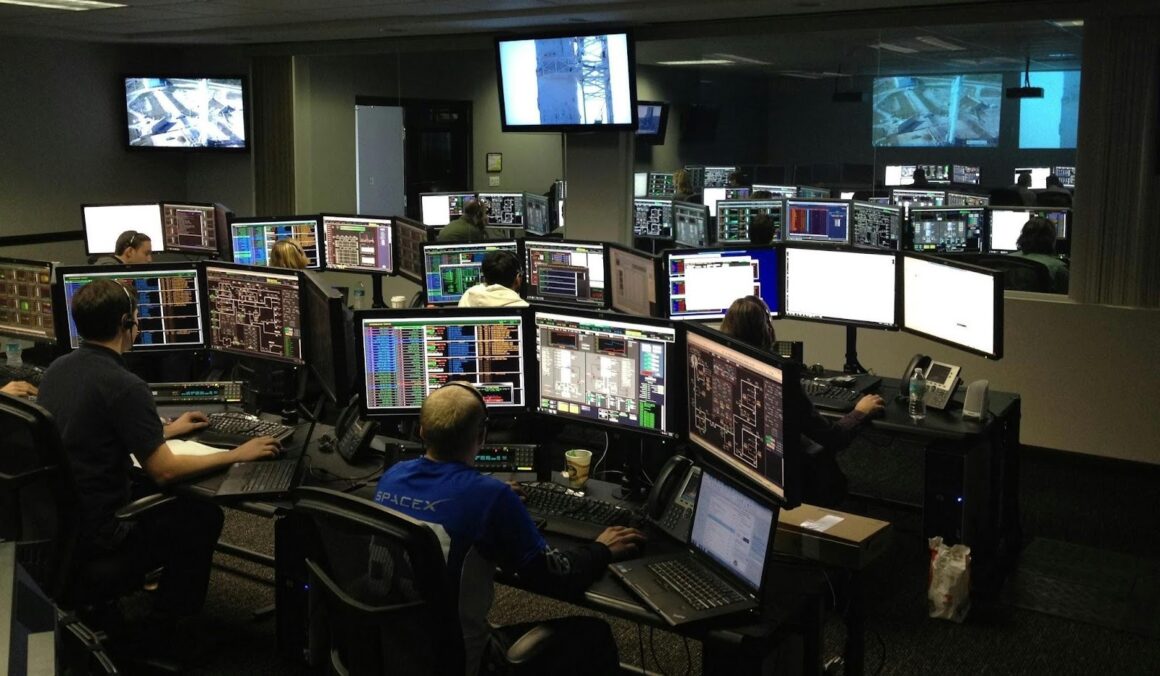
Constant monitoring is the best way to keep a business safe in a digital world. It turns a basic security plan into a powerful shield that works around the clock. This level of care shows customers that their data is in safe hands.
Investing in tools keeps data safe and helps a company maintain its reputation. A strong defense is the foundation of a successful and growing business. Taking steps today protects the future of the company.