
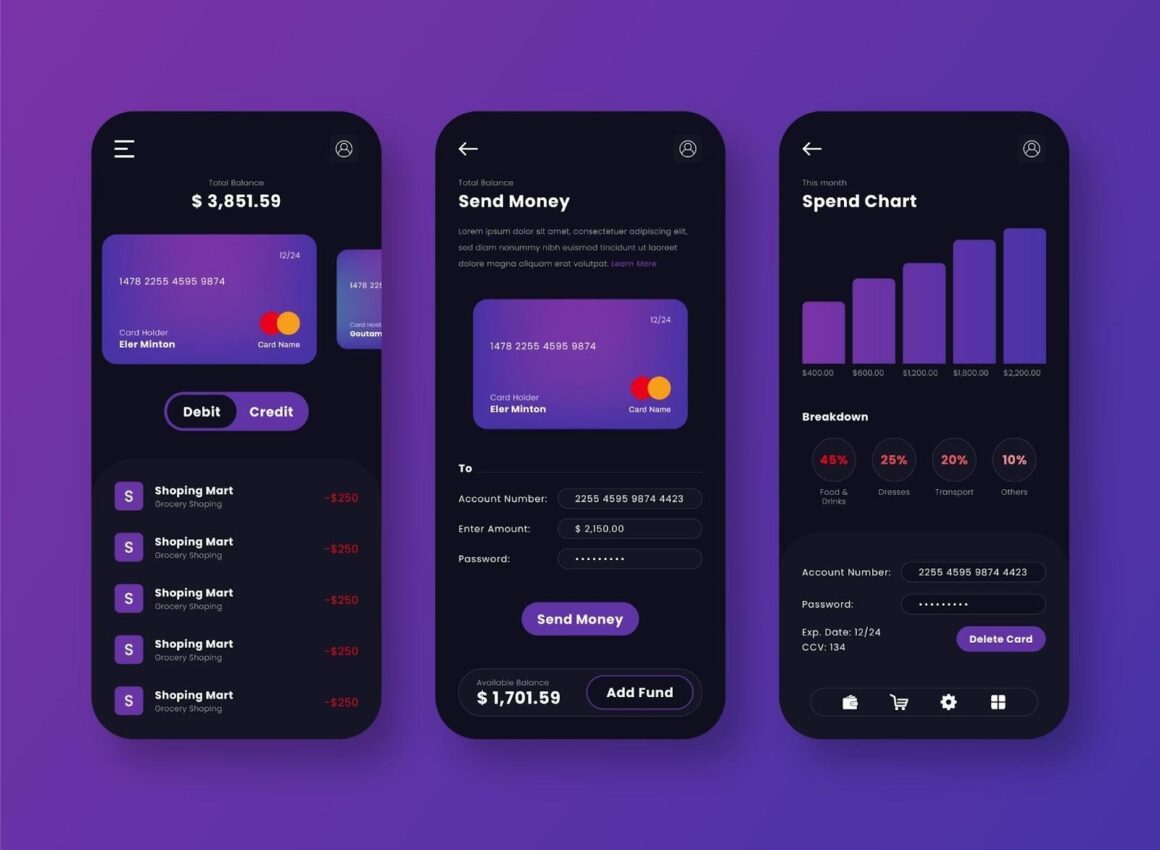
UI has now gone beyond static layout and design templates; in fact, people are now directed and unknowingly controlled by Machine Learning (ML).
ML does not only affect UI, its effect can be felt from streaming platforms, e-commerce, banking apps and all forms of online entertainment. It is affecting how interfaces behave, look and feel. For tech-focused readers of techgroup21, the knowledge of ML is very important. Website design is no longer about one-size-fits-all. Instead, it is now about adaptive and generative interface.
The Shift from Static to Generative UI
Originally, designers have their signature way of design that they build for everyone. It looks the same on layout and content structure. But in recent times, that has changed.
ML systems can now analyse user behavior, device capacity, browsing history, time of access and preferences to adjust the interface in real time. This shift is what designers call “Generative UI”.
Generative UI simply means that two users who visit the website differently will see different layout, navigation and recommendations. This means the interface adapts depending on the predicted intent of the user. A significant percentage of customer experience leaders now believe that UI and ML are the answers to effective personalization. This has led to the invention of “invisible interfaces” which are designs that anticipate a user’s move before they make it.
For instance, a commuter uses a retail app in the evening to check flash sales, then the app will prioritize flash sections or bring them first at that time. That is, the interface anticipates behaviour before the user’s decision.
Key Trends Driving ML-Led Design in 2026
Machine learning is contributing to the modern UI design through many ways, these ways are:
- Hyper-Personalisation
ML models use the vast dataset of a user to predict their behavior with a high level of accuracy. This is then used to deliver personalized dashboards, recommendations and tailored content.
For businesses in the UK, this means there’s going to be improved conversion rates and better engagement as the users are getting exactly what they want as they open the website, instead of dramatically scrolling up and down. Hyper-personalisation simply makes it easier for users to get or see what they want from a particular website within the least time possible.
- Accessibility Automation
Machine learning has made it possible to improve accessibility automatically. Modern interface can now:
- Generate text for images automatically
- Adjust colors for visually impaired users
- Provides means to translate voice to text and text to audio
- Adjust font sizes based on the user’s adjustment patterns
This automation helps to reduce the time needed for development and also makes compliance easy while enhancing user experience and making digital spaces inclusive.
- Predictive Friction Reduction
A relatable and practical application of ML is identifying friction or frustration from users.
There are ML tools that are used to detect some frustration traits such as repeated tapping or rapid change in navigations also known as “rage clicking”.
When such behavior appears and it is detected, the stem responds by simplifying navigation or triggering the chatbot assistance or help section. Now, users don’t have to complain over simple frictions because ML has detected that and proffered the solution within the website.
The Entertainment Sector: A Case Study in ML-Driven UI
ML has driven various sectors to use better UI including the entertainment sector. In gaming now, users now experience better loading speed, personalized games and contents, safe payments and easy navigation. It has been researched that up to 88% of gamers won’t return to a platform that offers them a poor experience even if it was once.
The improvements in UI through “Generative UI” has caused entertainment platforms to accept ML-driven interfaces.
With these interfaces, machine learning works behind the scenes to improve the game’s mobile performance, speed and also recommend personalized game options based on the user’s past preferences. For instance, users look for a curated and technically sound online casino without registration like Spintexas, where the interface is designed for maximum performance, security, efficiency and support. All these options make the casino platform feel curated and personalized.
The Economic Impact of ML in UI
ML in UI is more than just a design accomplishment, it is an economic driver too. Businesses in the UK are now investing in AI powered design tools because of the following benefits and more:
- Better prototype design made with AI tools
- Better accessibility compliance
- Reduced churn through repetitive UX
- Better performance
- Shorter production cycle
- More accurate testing
- User satisfaction
- Increase in conversion rate through personalization to suit each user preference
The Future of Intelligent Interfaces
Machine learning is now the backbone of modern UI. The modern interfaces we use today are now dynamic systems that are constantly adapting and changing. For all users, this means faster loading time, better navigation, faster services, precise recommendations and more.
No matter the industry, from SaaS platforms to shops online to entertainment platforms, users are now inclined to using living interfaces that evolve and adjust in real time. The future of UI is still machine learning and as technology advances the influence will deepen.