
If you’ve ever stood at a parts counter (or scrolled an online catalogue) wondering why two “12V van batteries” can vary wildly in price and performance, you’re not alone. On the surface, most starter batteries look similar: same voltage, similar form factor, familiar brand names. Yet the difference between a battery that shrugs off winter mornings and one that fails after a few months often comes down to details most drivers never get told.
Modern vans place very different demands on their electrical systems than they did even a decade ago. Stop-start tech, higher idle loads, more onboard electronics, and heavy accessory use mean the battery is no longer just a “starter.” It’s part of the vehicle’s energy management system—and choosing the wrong one can lead to repeat failures, warning lights, and charging issues that look like “electrical gremlins.”
The three jobs your van battery is actually doing
Starting power (cold cranking amps)
The classic measure is CCA (Cold Cranking Amps)—how much current the battery can deliver at low temperature for a short burst. If your van struggles on frosty mornings, CCA is often the limiting factor. But it’s only part of the story.
A battery can have impressive CCA and still disappoint in a working van, because…
Sustained supply (reserve capacity)
Your van also needs to run lighting, infotainment, telematics, alarm systems, and sometimes auxiliary equipment. Reserve Capacity (RC) indicates how long a battery can keep supplying power if the charging system can’t keep up (think: short trips, heavy loads, idling, or intermittent faults).
Cycling (how often it can be “used”)
Even if you never run a fridge or inverter, plenty of modern vans repeatedly draw down the battery and recharge it. That’s cycling. A battery designed mainly for starting may not tolerate frequent deep or partial discharges.
Battery chemistry and build: where the real differences start
Flooded lead-acid (traditional)
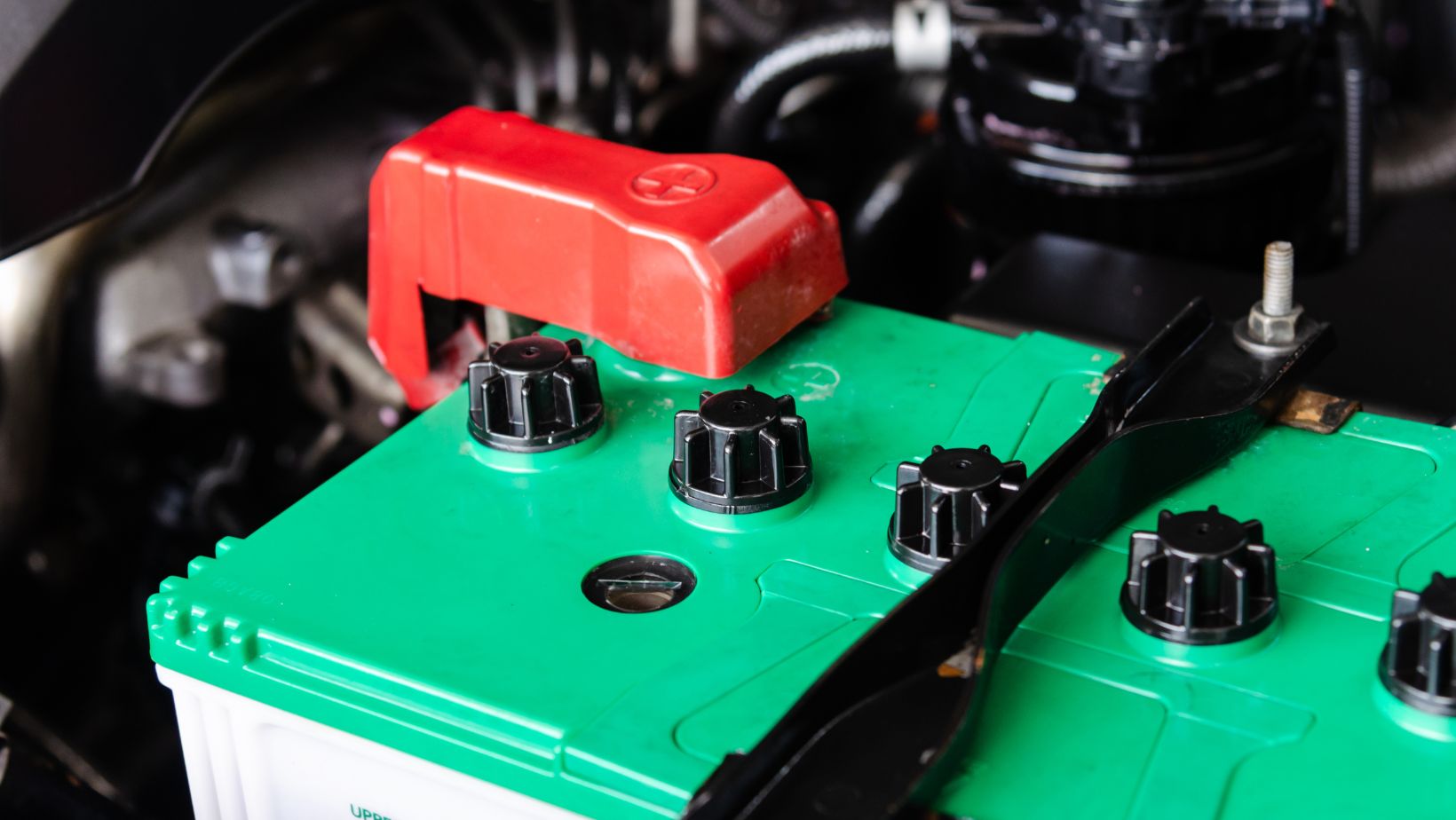
These are the familiar “standard” batteries found in many older vans. They’re cost-effective and can work well when the van does longer drives and the electrical load is modest. Their weak point is cycling: frequent discharge/recharge tends to shorten their life.
EFB (Enhanced Flooded Battery)
EFB is a step up, commonly fitted to vehicles with basic stop-start systems. They’re more robust than traditional flooded batteries and handle higher charge acceptance and more cycling—useful if your van does lots of short trips.
AGM (Absorbent Glass Mat)
AGM batteries are built for higher demands: strong cycling performance, better charge acceptance, and better resilience under heavy electrical loads. They’re often required for advanced stop-start systems and vans with energy recovery. The catch? They need compatible charging strategies. Fitting AGM where it isn’t supported (or downgrading from AGM to flooded/EFB) can trigger issues.
Around the point you’re comparing these types—especially if you’re trying to match start-stop requirements and electrical loads—it helps to look at properly filtered options by spec and application. If you want a reference point for what’s available by category, you can shop high-performance van batteries here and use it as a way to sense-check sizes and technologies against your van’s needs.
One size doesn’t fit all: what actually matters when choosing
Fitment isn’t just “will it physically fit?”
Yes, you need the correct case size and terminal layout—but also pay attention to hold-down style and polarity. A battery that technically fits the tray but strains the cables or interferes with covers can lead to poor connections, vibration damage, or accidental shorts during servicing.
The van’s usage pattern is the deciding factor
Two identical vans can need different batteries depending on how they’re used. Ask yourself:
- Do you do lots of short runs with frequent starts?
- Is the van left parked for days with alarms/trackers drawing power?
- Are you running auxiliary loads (beacons, inverters, refrigeration, tail lifts)?
- Do you spend time idling on-site while equipment runs?
If your use is “electrically heavy,” prioritise cycling capability and reserve capacity, not just CCA.
Stop-start and energy management: don’t guess
If your van has stop-start, it was engineered around a specific battery type (often EFB or AGM). Swapping to a cheaper technology can cause stop-start to disable, increase alternator workload, or lead to chronic undercharging.
Some vans also require battery registration/coding after replacement so the charging system knows the battery’s type and capacity. Skip that step and you can end up with odd behaviour: premature ageing, warning lights, or a van that never seems to charge properly.
Common failure patterns (and what they’re really telling you)
“It worked for a few months, then died”
That’s often a mismatch between battery design and duty cycle. A starter-focused flooded battery in a high-cycling, short-trip van tends to sulphate quickly, losing capacity before it “looks old.”
“Battery tests fine, but the van still struggles”
Quick testers can over-emphasise CCA and miss reduced capacity. A battery may still crank acceptably yet have poor reserve, meaning voltage collapses under accessory loads or during repeated starts.
“New battery, same problems”
That’s your cue to look beyond the battery: parasitic drain, corroded earths, weak alternator output, or a charging strategy that doesn’t suit the installed battery type.
Practical tips to get the right battery—and keep it healthy
Match technology first, then capacity
Start with what your van requires (AGM vs EFB vs flooded). Then choose capacity (Ah) and CCA appropriate to your engine size, climate, and load.
Treat voltage as a clue, not a diagnosis
If you can, check resting voltage after the van has sat overnight. Very roughly, 12.6V is healthy; low 12s suggests partial charge; ~12.0V is effectively flat. But voltage alone doesn’t measure capacity or internal resistance—use it as a prompt to investigate.
If the van does short trips, consider periodic charging
A smart charger overnight once every few weeks can dramatically extend battery life for vans that rarely get long runs. This is especially relevant in winter, when heaters, screens, and lights raise demand.
Don’t ignore the basics: terminals and earths
Poor connections mimic battery failure. Clean, tight terminals and sound earth straps reduce voltage drop and improve charging efficiency—often for the cost of ten minutes and a wire brush.
The takeaway
Van batteries aren’t interchangeable commodities. They’re engineered for specific charging systems and real-world duty cycles, and that’s why the “same size, same voltage” replacement can behave completely differently in service. If you match the correct technology, choose capacity based on how you actually use the van, and support it with good charging habits, you’ll avoid most of the repeat failures people chalk up to bad luck.
If you’re unsure, start by identifying what the van was designed to run—then pick the battery that’s built for that job, not just the one that happens to fit in the tray.